
Extension & Outreach
Extension & Outreach
Extension Programs
Pesticide Education and Assessment Program
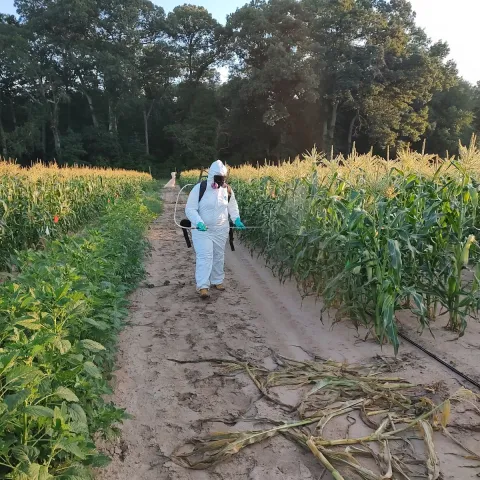
The Pesticide Safety Education Program (PSEP) provides pesticide applicators with education and training that addresses human and environmental safety while supporting effective management of pests.
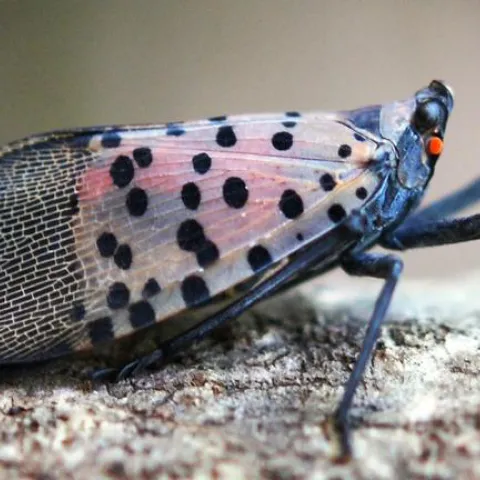
The Plant Diagnostic Laboratory provides plant problem diagnostic support and information to Extension educators, growers, businesses and citizens.
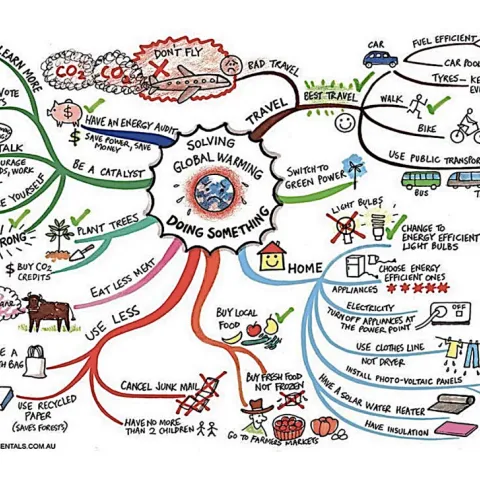
Dr. Sara Via, Professor and Climate Extension Specialist at the University of Maryland, shares resources on a wide array of topics related to climate change, including but not limited to, healthy soil, strategies for regenerative landscaping and gardening, impacts on human health, and individual steps people can take to combat climate change.
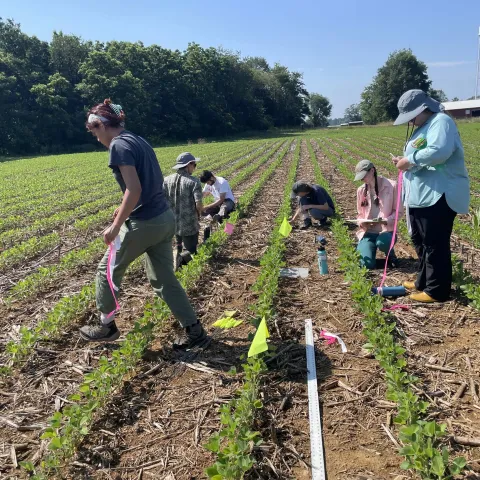
Faculty: Dively, Espíndola, Hamby, Hooks, Lamp
Agricultural crops are a vital part of the state's economy and landscape, covering approximately 1/3 of Maryland’s land mass. Our research and Extension faculty partner with growers to address complex agricultural challenges including pest management, pesticide resistance, soil degradation, climate change and other emerging threats. Specializing in no-till farming, cover cropping, use of buffer strips, biological controls, and flowering resources, our faculty are researching and teaching integrated pest management techniques that have the potential to help farmers enhance natural enemies, improve weed suppression, and boost pollination services.
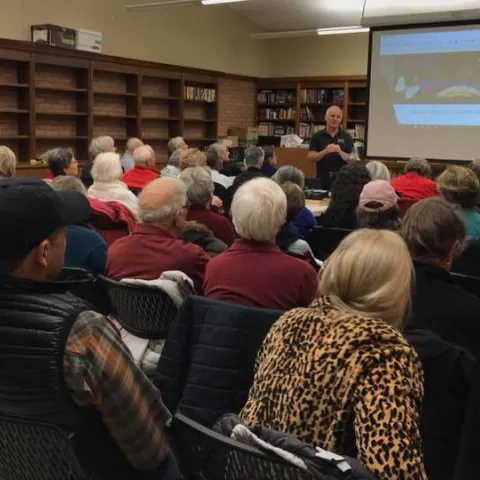
Green Industry
Faculty: Burghardt, Fulladolsa, Raupp, Shrewsbury
Maryland's Green Industry, which includes nurseries, greenhouses, cut flower businesses, and landscape management companies, is the state's second largest agricultural commodity. Industry leaders are challenged with managing pest insects and diseases, and adopting more sustainable practices. Our research and Extension faculty, in collaboration with our UME and Regional IPM partners, conduct applied research to understand the biology, ecology, and behavior of key pests affecting nurseries, landscapes, and forests. They share their findings with the community through UME fact sheets, web-based articles in industry publications and IPM newsletters, and presentations at association meetings and training events.
IPM short course
IPM Alerts
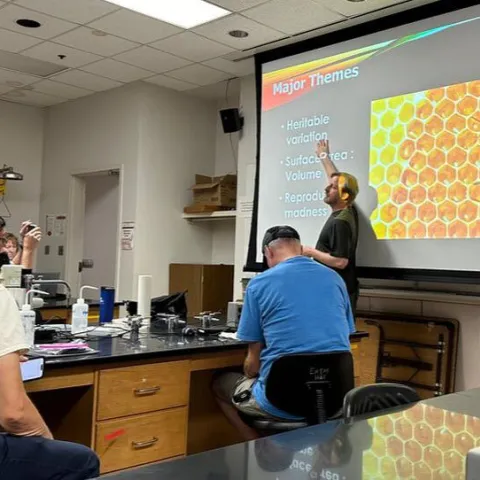
Pollinator Health and Protection
Faculty: Espíndola, Hooks, Raupp, Shrewsbury, vanEngelsdorp
Wild and managed pollinator declines jeopardize the production of crops and natural plants dependent on them for pollination. To address these issues, research and Extension faculty focus on two broad areas: honey bee health and pollinator conservation. Our honey bee research involves close collaboration with both commercial and backyard beekeepers across the U.S. to monitor key risk factors, including pests, pathogens, parasites, and pesticides. These data drive the development and field-testing of best management practices for pollinator health and protection.
Maryland Grows
Last Week in the Apiary
U.S. Bee Data
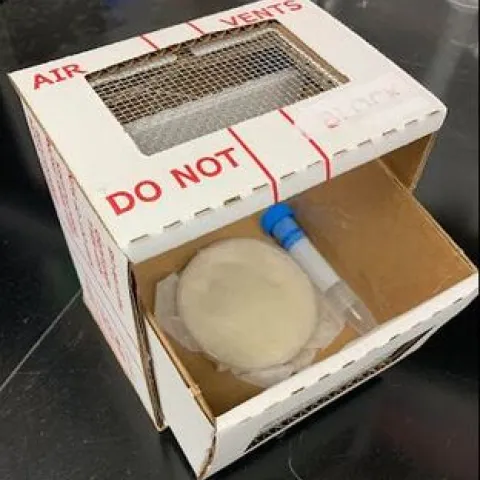
Faculty: vanEngelsdorp
The UMD Bee Lab is dedicated to meeting the diagnostic needs of beekeepers. These diagnostics can help provide data that enables beekeepers to make informed decisions: in management, breeder selection, and to help identify possible causes of failing colonies. At our lab we can quantify Varroa mites, Nosema spp. by spore count or qPCR, Tracheal mites, a host of known bee viruses, and can facilitate pesticide analysis through our cooperator, the USDA Agricultural Marketing Service (AMS).
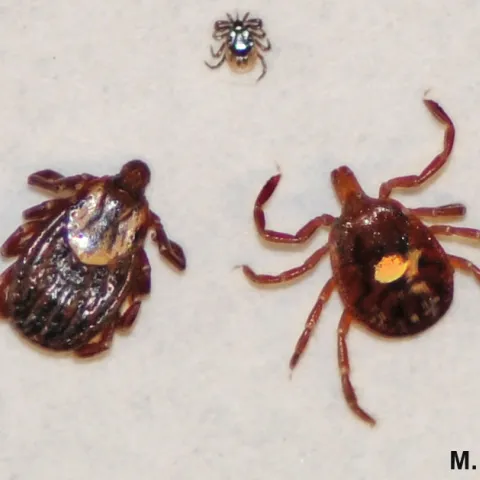
Arthropod Vectors of Disease
Faculty: Fritz, Raupp
Multiple human and livestock diseases can be vectored by arthropods like ticks and mosquitoes. In collaboration with Maryland state agencies, our research and Extension faculty focus on disease prevention as well as vector biology and management. This programming includes in-service training for Extension agents, consultations with livestock producers, and media engagement to inform the broader public.
Mosquito Protection - UMD Home and Garden Information [Video]
Outreach Programs

This blog provides the Spanish-speaking community in Maryland and the surrounding region with high-quality information on agricultural production, pest control, gardening, horticulture, and the environment.
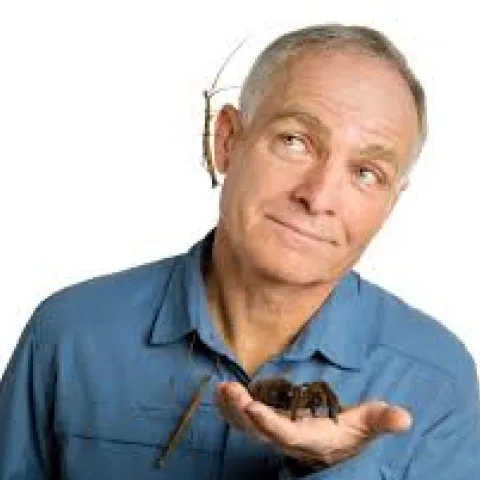
"The Bug Guy" Mike Raupp shares amazing bug stories every week on this blog site.
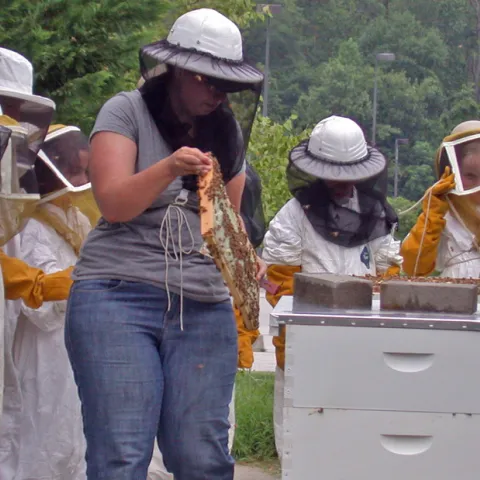
Through hands-on activities and interactive field trips, our annual summer Bug Camp teaches kids ages 7-12 how amazing and valuable bugs truly are.
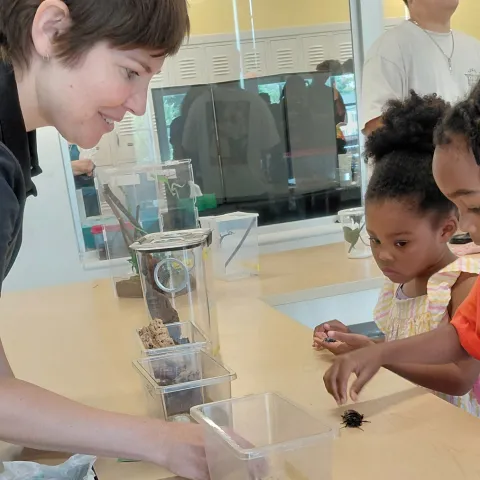
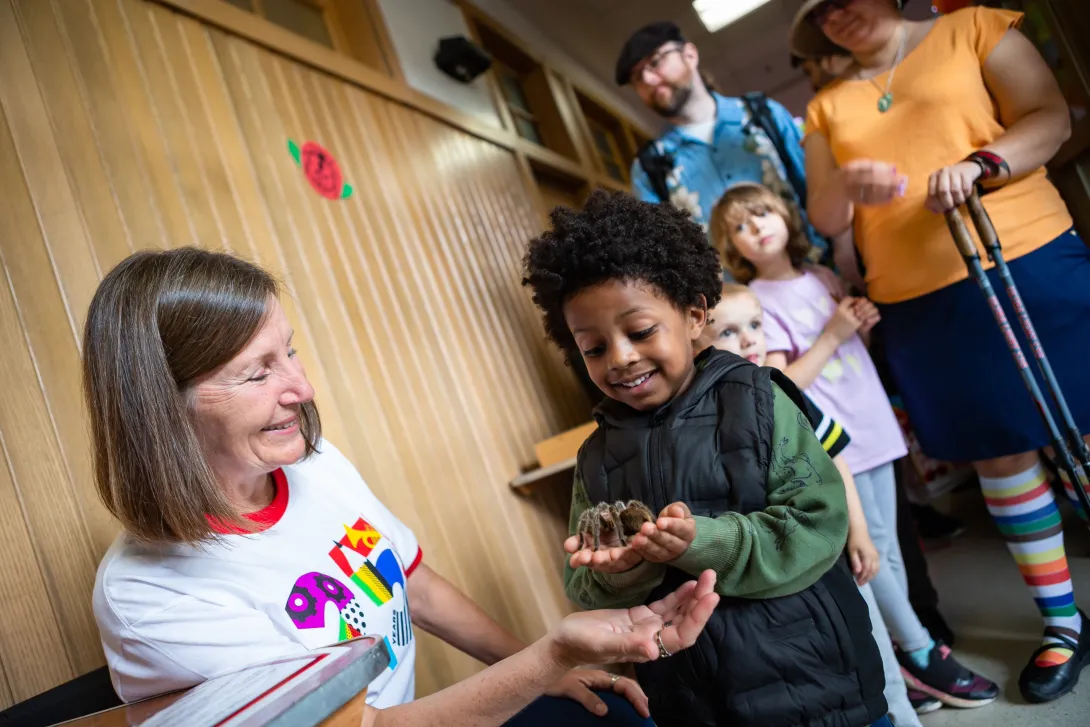
The University of Maryland Insect Zoo provides a unique hands-on opportunity for the community to learn about the diversity of arthropods and their importance in our ecosystems.
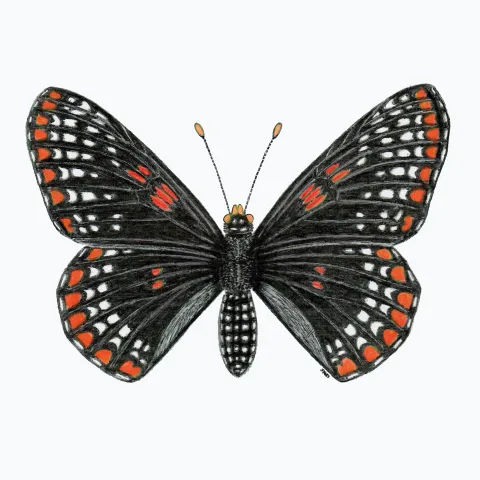
These hand-drawn illustrations primarily represent pest species found in homes and landscapes. Some beneficial insects and mites are included as well.
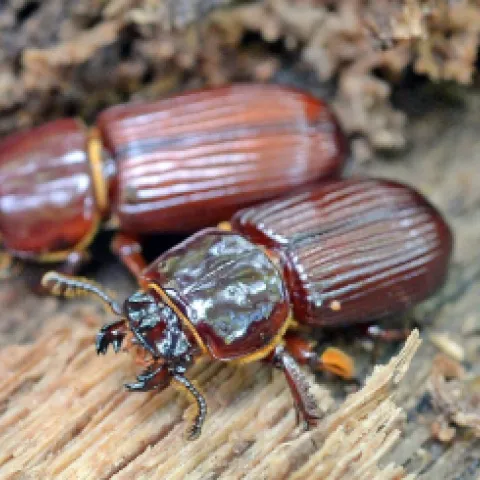
Certified professional horticulturists, Extension faculty and Master Gardeners answer yard and garden questions. Provide a photo of an insect that's close, in focus, well-lit, and include a ruler or coin to show size and they will do their best to identify it.